

Community focus at Brain Health Expo in Moonah
Apr 16, 2026
Community members, carers, health professionals and local organisations gathered at the Moonah Arts Centre for the Brain Health Expo. The free community event was hosted by Dementia Australia.
The interactive expo gave people the opportunity to learn more about brain health and dementia awareness. It also helped attendees connect with local services and support available in the community. Information stands and presentations highlighted practical ways individuals, families and communities can support brain health and create more dementia-friendly environments.
By bringing together research, advocacy and community services, the expo made it easier for attendees to explore local resources in one place.
Dementia Australia representatives spoke with attendees about the range of supports available to people living with dementia, their families and carers. This includes a 24-hour helpline, education programs and training designed to build confidence and understanding within the community.
In addition, tools such as the virtual reality EDIE experience helped people better understand what it can feel like to live with dementia. This supported greater empathy and awareness.
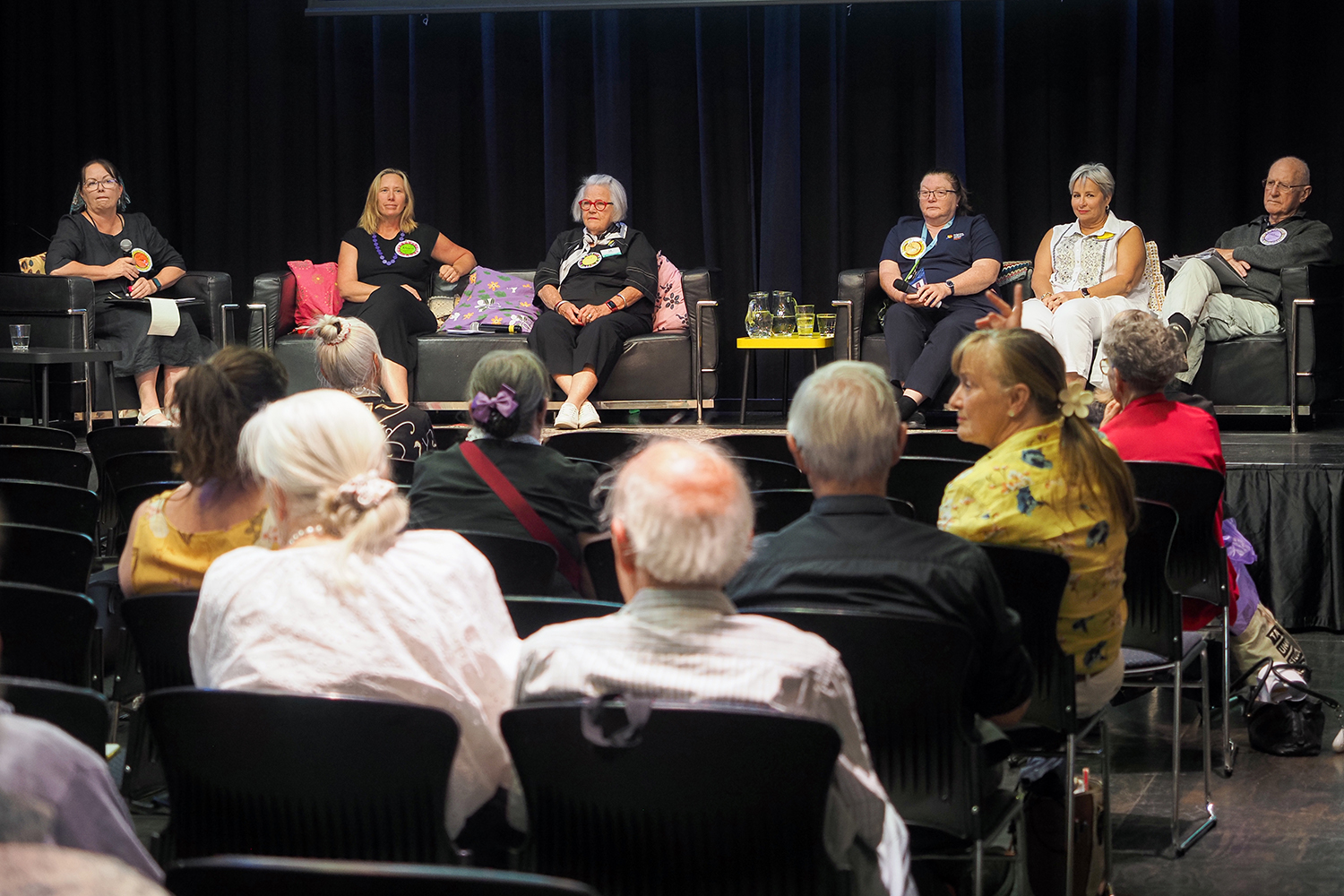
Panel discussion on brain health
An afternoon panel discussion brought together researchers, advocates and community leaders. The discussion explored the role everyone can play in supporting brain health.
Among the speakers was Alison Canty, Associate Professor at the Wicking Dementia Research and Education Centre. She explained that maintaining brain health involves many aspects of daily life.
“Dementia is about much more than mental health,” she said. “There’s the sounds and the environment around us, how busy we keep our brains, and whether we’re doing challenging and thinking tasks.”
She also emphasised the importance of lifestyle choices. “Go out and get exercise, it’s the best thing you can do. What’s good for your heart is good for your brain.”
Lived experience of dementia
Dementia advocate Lil Mirtl shared her personal experience of living with vascular dementia. She was diagnosed six years ago while teaching at Claremont College.
“It takes time, support, effort and drive to live with dementia,” she said. “I’m the best I can be with the skills that I have. That’s what helps me get up and start each day.”
She encouraged people to stay engaged with their communities. “Stay engaged. When you’re less engaged, you’re not developing skills and pushing yourself.”
The importance of community support
Glenorchy Mayor Sue Hickey spoke about the importance of supportive communities. She said social infrastructure plays a key role in quality of life.
“Volunteers are the glue of society. No government can fill these soft gaps that volunteers and carers fill. It’s critical that carers are supported.”
Panel facilitator Jane Croswell echoed this view, saying, “You can’t pour from an empty cup.”
Mayor Hickey’s comments highlighted that supporting brain health is not only about individual choices. It is also about building inclusive and compassionate communities where people living with dementia and their carers feel supported and connected.
CBS perspective on the event
For Community Based Support, attending the event provided valuable insight into how brain health and dementia intersect with supporting older people to live independently and stay connected. Events like the Brain Health Expo help communities share knowledge, lived experience and practical advice. They also support a better understanding of dementia and how to help people live well with brain health.